How Acreage Actually Affects Home Value in Cherokee County, GA
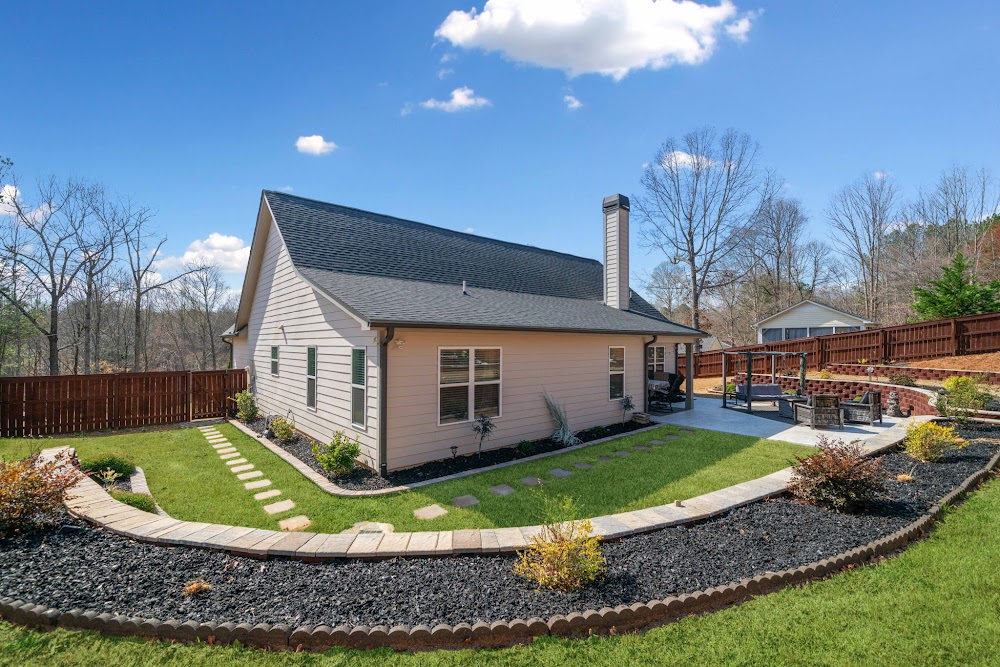
A deep look at how acreage is valued across Cherokee County — which zoning districts and areas command a real per-acre premium, and what to weigh before buying the parcel next door.
Why "More Land" Isn't a Simple Math Problem in Cherokee County
If you live in Cherokee County, you've probably had this thought at some point — maybe looking at a larger lot off Univeter, Lower Burris, or Hickory Flat, or wondering whether the vacant parcel next door to your own home would actually be worth picking up. The honest answer: it depends heavily on where that acreage sits and what zoning allows you to do with it — not just how many acres show up on the survey.
Cherokee County's zoning ordinance (Table 7.1A) sets a minimum lot size for every residential district, and that minimum is the single biggest driver of whether extra acreage actually pays you back:
- AG (General Agriculture): 2-acre minimum lot
- R-80 (Estate Residential): 80,000 sq ft minimum (≈1.84 acres)
- R-60 (Single-Family Residential): 60,000 sq ft minimum (≈1.38 acres)
- R-40 (Single-Family Residential): 40,000 sq ft minimum (≈0.92 acres)
- R-30 / R-20 / R-15: 30,000 / 20,000 / 15,000 sq ft minimums (≈0.69 / 0.46 / 0.34 acres)
That progression matters because it tells you where acreage is structurally valuable versus where it's just yard. In an R-15 or R-20 subdivision, the lot is already sized for exactly one home — extra acreage there is a luxury, not a development asset. In AG or R-80 territory, acreage is the whole point: it's what makes the zoning category exist in the first place.
Where Acreage Commands a Real Premium in This County
AG and large-lot estate zoning (much of the Univeter Road, Hickory Flat, Lower Burris, and Free Home corridors): This is where extra acreage earns its keep. These areas are zoned for it, buyers specifically shop for it, and the land itself has functional uses — horses, outbuildings, privacy buffers, future accessory structures. An extra acre here can add real value because it's usable within the zoning, not just decorative.
Anywhere without public sewer: Most of unincorporated Cherokee County relies on septic, and septic systems need a qualifying drain field with adequate soil and setback distance from wells, property lines, and water features. In these areas, "extra" acreage often isn't extra at all — it may be the only land on the parcel that can legally support the septic field or a future repair area. That acreage has real functional value even before you factor in privacy or use.
Properties near Lake Allatoona or with creek/stream frontage: Larger lots here often carry value tied to buffer requirements and the view/access itself, not just square footage. Floodplain and stream buffer regulations can also make part of a "large" parcel unusable, which an appraiser will account for — so the acreage that's actually outside the buffer is what carries the premium.
Where Acreage Doesn't Move the Needle Much
Established subdivisions like BridgeMill, Harmony on the Lakes, or anything platted under R-20/R-15/RD-3: If you live in one of these communities, you're paying for the home, the amenities, and the HOA-maintained lifestyle — not raw land. A slightly larger lot in one of these neighborhoods might add a modest premium for privacy, but it won't behave like acreage does in AG-zoned territory.
Unbuildable acreage anywhere: Steep slopes, flood-prone bottomland, or land landlocked behind another parcel contributes very little to an appraisal regardless of zoning. Appraisers and serious buyers both discount heavily for usable versus gross acreage.
Is Buying the Parcel Next Door Worth It?
If you're weighing whether to buy an adjacent parcel, this is the real question, and it deserves a direct answer: it depends on what that parcel unlocks for you, not just its size.
Before treating it as a value-add, walk through these:
1. Check its zoning and current parcel status with the county. Two adjoining parcels don't automatically merge just because you own both — Cherokee County Planning & Zoning (or the Tax Assessor's GIS office) requires a formal lot combination or re-plat if you want them treated as one tax parcel. Until that's done, the second parcel may still carry its own buildable status, its own tax bill, and potentially its own resale value as a separate lot.
2. Find out if it's already a legal buildable lot. If the adjacent parcel meets the zoning district's minimum lot size and has its own road frontage or recorded access, it may be worth more as a separate building lot than as bolted-on yard space next to your home. That changes the math — you might be buying real development value, not just acreage.
3. Figure out what it would unlock for you. Does it give you enough combined acreage to qualify for an agricultural exemption, keep horses (Cherokee's animal-keeping rules generally require a minimum acreage per large animal), add a detached structure, or simply fix an awkward lot line? If yes, that marginal acreage is worth more than the typical diminishing-returns curve suggests — because it's not just land, it's a use you couldn't have without it.
4. If it's purely a buffer or privacy purchase, treat it like the diminishing-returns acreage above: valuable for your quality of life, but it won't add dollar-for-dollar appraisal value the way the first acre under your home does.
5. Watch for septic and well implications. If your existing system might ever need a future repair area, or you'd want a second well someday, owning the adjacent ground outright — rather than relying on setback compliance from a neighbor — can be worth more than its raw acreage value suggests.
If your goal is simply privacy and peace of mind, the parcel next door is a lifestyle purchase — reasonable, but I wouldn't price it like development land. If it's already a legal lot, sits in AG or estate zoning, or unlocks a specific use you actually want, it's worth running real numbers on, because the value case is genuinely stronger there.
I'd recommend pulling the parcel's current zoning, plat status, and any easements directly from Cherokee County before making a final decision — I'm always happy to walk through that together and pull recent comps for both scenarios.
Sources: Cherokee County Zoning Ordinance, Table 7.1A – Minimum District Development Standards (cherokeecountyga.gov).